Many drivers have wondered if they can refuel their car without turning off the engine, especially during extreme weather when air-conditioning is running. The question “Can I pump gas with my car on?” is more than a simple yes or no — it involves safety risks, legal rules, and best practices. In Dubai, this question carries even more weight because regulations explicitly require engines to be off at petrol stations. This article will explain why the topic is important: from preventing dangerous accidents to avoiding hefty fines. In the sections that follow, we explore Dubai’s specific rules, the safety implications of fueling with a running engine, and a comparison of what happens when you pump gas with the car on versus off.
Dubai’s Rules and Regulations for Fueling
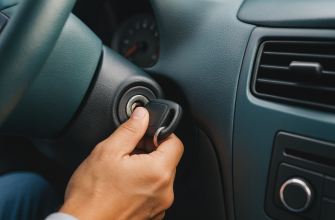
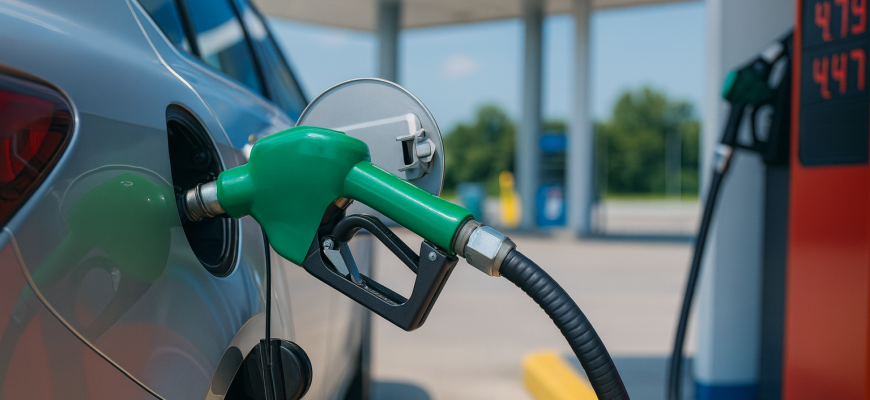
Dubai takes petrol station safety very seriously. It is actually illegal to leave your engine running while refueling in the UAE. Gulf News, a prominent Dubai-based newspaper, reported that “Motorists who do not switch off their car engines at petrol stations can be jailed for three months and fined AED 10,000.” This strict penalty comes under federal law and Dubai Civil Defence regulations, reflecting how dangerous the practice is considered. Petrol stations in Dubai have clear signage reminding drivers to turn off their vehicles, and attendants may refuse to fuel your car if the engine is on. These rules are in place to protect everyone at the station. Authorities note that an idling engine during fueling poses a hazard not just to the driver, but also to other customers, station staff, and property. Officials warn that a petrol station fire could lead to loss of life, severe property damage, and environmental harm. In short, in Dubai (and across the UAE) the answer is a resounding “No” — you cannot (and should not) pump gas with your car on, because it violates safety laws and can result in severe consequences.
Why Keeping the Engine On is Dangerous
Even outside of legal requirements, there are solid safety reasons to always switch off your car’s engine when filling the tank. Gasoline and diesel fumes are highly flammable, and a running engine is a potential ignition source. Here are some key dangers of pumping gas with the engine running:
-
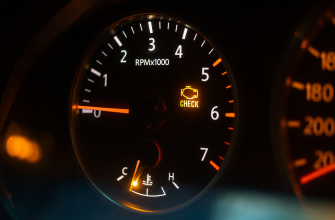
Ignition Sparks: A vehicle’s engine and electrical components can produce sparks. For example, the alternator (which generates electricity) emits sparks during operation, and if gasoline vapors reach it, they could ignite. In petrol engines, the ignition system fires many high-voltage sparks per minute even at idle. Any fuel vapor that escapes near the tank opening could be lit by these sparks, causing a fire.
-
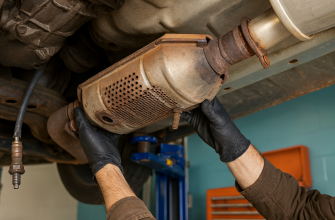
Fuel Spills on Hot Surfaces: If an overflow or spill occurs while refueling, fuel could contact hot engine parts or the exhaust system. A hot manifold or catalytic converter can ignite gasoline. Turning the engine off reduces engine bay temperatures and removes these heat sources, greatly lowering the risk.
-
Static Electricity: Moving in and out of the vehicle can build up static charge on your body. A spark when you touch the fuel nozzle could ignite gasoline vapors. If you must re-enter your car, always touch a metal part of the car (away from the filler) to discharge static before picking up the pump again.
-
Accidental Movement: With the engine on, there’s a chance (even if small) that the car could jerk or move — for example, if a gear is accidentally engaged or a child meddles with the controls. Even slight unexpected movement can pull the nozzle out or topple a fuel pump. Keeping the car off (in Park with the handbrake on) prevents this possibility.
While incidents of gas pump fires from a running engine are rare, the potential outcomes are catastrophic — one spark in the wrong conditions could cause a blaze with major losses. Because the worst-case scenario is so devastating, it’s simply not worth any perceived convenience to leave the car on. As one safety campaign in Dubai noted, it is better to endure a few minutes of heat without your AC than to risk the extreme heat of a fuel fire.
Pumping Gas with Engine Off vs. On: A Comparison
To drive home the point, the table below compares refueling with the engine turned off versus leaving it on:
| Aspect | Engine OFF (Safe Practice) | Engine ON (Unsafe Practice) |
|---|---|---|
| Legality (Dubai) | Compliant with safety laws; no penalties. | Illegal in Dubai; can lead to fines or up to 3 months jail. |
| Fire Risk | Very low — no active ignition source, vastly reducing fire chances. | High — running engine creates sparks/heat, increasing the chance of igniting fuel vapors. |
| Comfort & AC | Interior may warm up without AC for a short time (minor inconvenience). | AC stays on and cabin stays cool, which is convenient in hot weather — but this comfort comes with significant danger. |
| Fuel Use | None — engine is off, so no fuel is consumed during refueling. | Fuel continues burning while idling, wasting fuel (and money) as you pump. |
| Emissions | Zero emissions during the stop (more eco-friendly). | Exhaust continues to emit pollutants while idling, contributing unnecessary pollution. |