
A vehicle’s transmission works hard, and it generates a lot of heat in the process. Maintaining a normal operating temperature is crucial because excessive heat is the number one enemy of transmissions. In fact, the Automatic Transmission Rebuilders Association estimates that around 90% of transmission failures are due to fluid breakdown from overheating. Knowing what temperature is “normal” for your transmission — and what to do if it runs too hot or too cold — can help you prevent damage and avoid costly repairs.
What Temperature Should a Transmission Normally Run At?
Most automatic transmissions run best at roughly 175°F to 200°F (about 80°C to 93°C). Within this range, the fluid stays at the ideal viscosity for smooth shifting and long component life. Ron McElroy, an automotive expert writing for CBT News, explains that “the normal operating temperature for transmission fluids is approximately 175°–195°F. At this temperature, the fluid’s service-life under normal driving conditions should reach or exceed 100,000 miles”. In other words, staying in this zone helps your transmission last longer.
Temperatures below about 170°F (77°C) are considered too low for an automatic transmission — the fluid may be too thick to lubricate well (usually only an issue in extreme cold starts). Overheating is a far more common concern. Above ~225°F (107°C), transmission fluid begins to break down and lose effectiveness. In fact, every 20°F rise above the normal range roughly cuts the fluid’s life in half. Sustained operation at 250°F+ can quickly lead to burnt fluid, slipping clutches, and possible transmission failure if not addressed.
Comparison of Transmission Temperature Ranges
| Condition | Temperature Range | Effects on Transmission |
|---|---|---|
| Too Cold | Below ~170°F (77°C) | Fluid thick; seals may shrink; sluggish shifting. |
| Normal | ~175–200°F (80–93°C) | Optimal fluid viscosity; smooth shifting and maximum longevity. |
| High (Warm) | ~220–250°F (104–121°C) | Fluid oxidation starts ~225°F; faster wear and possible clutch slippage over time. |
| Overheating | > 250°F (> 121°C) | Fluid burns quickly; clutches can slip; transmission damage likely with prolonged exposure. |
Factors That Affect Transmission Temperature
Several key factors can cause your transmission to run hotter or cooler than normal. Understanding these influences helps you manage transmission heat:
-
Heavy Loads & Towing: Pulling a trailer or hauling heavy cargo puts extra stress on the transmission, which significantly raises fluid temperatures.
-
Stop-and-Go Driving: Frequent stop-and-go city driving or idling in traffic adds heat, since the transmission has little chance to cool down between accelerations.
-
Ambient Temperature: Hot weather makes it harder for the transmission cooler to dissipate heat (expect higher trans temps on very hot days). Extreme cold can keep fluid below optimal temperature until the vehicle fully warms up.
-
Aggressive Driving: Rapid acceleration, high-speed driving, or climbing steep hills generates additional friction and heat inside the transmission.
-
Fluid Level and Condition: Low or old, degraded transmission fluid can’t cool or lubricate as effectively. Fresh, properly filled fluid helps dissipate heat and keep temperatures stable.
Monitoring and Maintaining a Healthy Temperature
Modern vehicles often provide ways to monitor transmission temperature so you can react before a problem occurs. Many cars and trucks have a built-in transmission temperature gauge or readout on the dash (especially in vehicles designed for towing). If your vehicle has one, keep an eye on it during demanding drives. If not, an OBD-II scan tool or an aftermarket gauge can show real-time transmission fluid temperature — a useful investment if you tow regularly or drive in extreme climates.
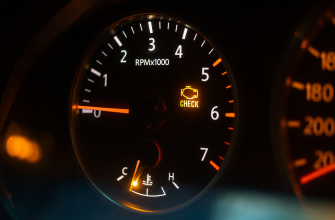
Even without a gauge, stay alert to warning signs of overheating. For example, if you notice a transmission temperature warning light on the dash, a burning smell from the transmission fluid, or the transmission slipping and struggling to shift gears, your transmission is likely running too hot. If this happens, safely pull over and let the vehicle cool down before further driving. Continuing to drive with an overheated transmission can lead to irreversible damage.
Advice to Prevent Transmission Overheating
Keeping the transmission in its safe range comes down to good maintenance and smart driving habits. Here are some tips to help maintain a normal transmission temperature:
-
Keep the Fluid Fresh and Full: Check your transmission fluid level regularly and change the fluid on the schedule recommended by your vehicle’s manufacturer. Proper fluid level and quality ensure better cooling and performance.
-
Ensure Adequate Cooling: If you frequently tow or live in a hot climate, consider installing an auxiliary transmission cooler (or make sure your factory cooler is working well). Also ensure the engine’s cooling system (radiator and fans) is in good condition, since it often helps cool the transmission fluid.
-
Drive Smart When Towing: When hauling heavy loads or climbing long hills, take it easy. Use lower gears or “Tow/Haul” mode if available to reduce stress on the transmission. Avoid pushing the vehicle to its limits on extremely hot days, and take periodic breaks on long uphill pulls to let everything cool off.
-
Avoid Unnecessary Heat Buildup: Don’t ride the brakes or rev the engine unnecessarily, as that can spike transmission heat. In hot weather, try not to idle in gear for long periods (for example, if stuck in traffic, put the vehicle in Park when safe). In cold weather, give the car a few minutes of gentle driving to warm up the transmission before heavy use.
Keeping Your Transmission in the Safe Zone
Maintaining a normal transmission temperature (around 175–200°F) is vital for transmission longevity and performance. Regular overheating will dramatically shorten the transmission’s lifespan, while staying in the safe range keeps it healthy. The good news is that with attentive driving and maintenance, you can control transmission temperatures. By monitoring your gauges (or noticing warning signs) and taking action early, you’ll ensure your transmission stays cool, shifts smoothly, and enjoys a long service life. In summary, a little prevention goes a long way — keeping an eye on transmission temps and addressing issues early will help you avoid most heat-related problems and keep your car driving smoothly for years to come.